Dynamic Video Creation
Dynamic video is video that's created from dynamic data. This data can be personalized, such as a person's name, city, or recent order. But it can also be data from another API, such as the current weather, the current score of a live game, or simply a spreadsheet of data.
This article examines 3 different methods for creating dynamic videos from a practical perspective.
How to dynamically create video?
Especially when video needs to be generated at scale or in real-time, there needs to be a video automation workflow in place. We're going to explore several ways of doing that: using bulk generation, through no-code, or using an API. For each of these methods, we'll guide you to corresponding tutorials to get started.
1. Design a video template
Regardless of the approach you choose, dynamic video starts with a template. This is the design of the video containing placeholder elements, all of which can be replaced to create unique videos. Think of unique texts, images, or video clips.
A video template can be designed in the online video editor. There are also many ready-made templates that can be completely customized. This lets you make custom videos for almost any purpose, whether it's for personalization, ads, or social media.
2. Set up an automated workflow
We can then decide how to auto-generate the videos using the video template from step 1. Considering we'll be making lots of videos, we need a way to automate the process:
Bulk Generation
The easiest way is by using bulk generation. This approach lets you import data from a data source (such as a document, CRM, or CSV), then generate thousands of videos.










No-Code Automation
It's also possible to automate this process using a no-code platform like Zapier, Make, or n8n. Here's a tutorial on how to do that based on a real-time event, but you can make dynamic videos using any of the 5,000+ supported apps.
API & SDK
Alternatively, you may integrate using the code API. If you have a developer in your team and want to generate dynamic videos programmatically, this is for you.
await fetch('https://api.creatomate.com/v2/renders', {
  method: 'POST',
  headers: {
    Authorization: `Bearer ${API_KEY}`,
    'Content-Type': 'application/json',
  },
  body: JSON.stringify({
    template_id: 'YOUR_TEMPLATE_ID',
    modifications: {
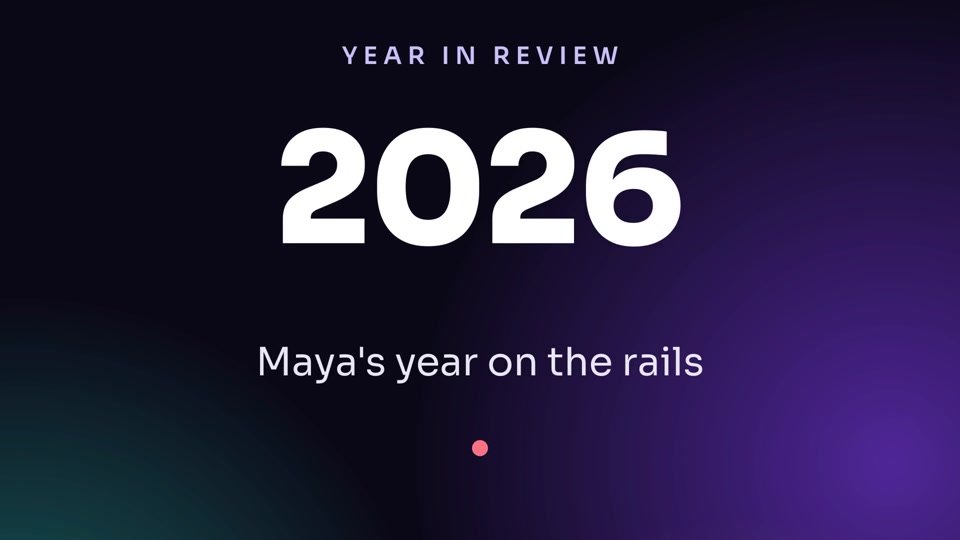
      'Title': "Maya's year on the rails",
      'Stat-1-Value': '3,127',
      'Stat-2-Value': '26',
    },
    webhook_url: 'https://your-app.com/video-ready',
  }),
});

3. Start creating dynamic video
No matter what kind of dynamic video you want, the aforementioned methods always give you an efficient way to do it. When in doubt, it is best to begin with the bulk generation approach. It provides a simple and easy way to create dynamic videos using a single tool. Then, if you need more automation, decide whether you'll use no-code or code.
Whatever you choose, we have dozens of tutorials and guides to help. Automating video has never been easier thanks to platforms like Creatomate, which make it accessible for everyone. Our platform has been designed to be user-friendly for beginners. Everyone can now create dynamic videos in a matter of minutes, no matter their skill level.
 New to Creatomate?See how templates and automation work, and find the way to start that suits you.Read the introduction →
Frequently asked questions
What is dynamic video?
The term dynamic video refers to videos that are created based on dynamic data. This data can be anything from personal data (someone's name, location, or language), or bulk data (such as a product catalog or database), or real-time data such as the weather or user-generated content.
The most common use of dynamic video is marketing, as video that's tailored to a specific audience is more effective than showing the same video to everyone. Aside from this, it is also used to automate the creation of large numbers of videos at scale, for any purpose.
How can I automatically create dynamic video?
Due to the nature of dynamic videos, they're usually generated using automation. This can be done using video-generating spreadsheets, a no-code platform (such as Zapier, Make, or n8n), or through code (like JavaScript, PHP, or Python). Most approaches don't require technical knowledge. No matter what your use case is, we have a straightforward guides that will assist you in getting started in minutes.
What kind of video can be made dynamically?
The online video editor allows you to create your own video templates. It is therefore possible to convert any type of video into a dynamic video. Simply drag-and-drop the images or video clips into the editor, and add placeholder elements. These placeholder elements can then be replaced using data (text, image, or video) received from any dynamic data source (spreadsheet, no-code workflow, or API).
How long does it take to set up?
The dynamic video-to-spreadsheet tool makes it possible to create dynamic videos in a matter of minutes. The same can be said of the no-code video automation approach. And if you want to take it a step further, it only takes a developer 15 minutes to generate dynamic video programmatically.
Who is dynamic video intended for?
Dynamic video is for businesses and marketers who want to generate videos that are more effective because of a data-driven approach. Think about video personalization, video based on hundreds of products, or social media video based on real-time or bulk data.
What are the benefits of dynamic video?
In the case of real-time video creation, dynamic video has the benefit of being fully customized for a specific audience of viewers based on available data. It is therefore more effective than delivering the same video to everyone, as it is more targeted and personalized. As for other purposes, it automates the process of making each video by hand.
What's the best way to create dynamic video?
It's possible to make dynamic video in three ways, depending on how much automation you want; with a spreadsheet, with no-code, or with code. All these approaches are supported by Creatomate and are covered in many of the getting started guides.